
This ensures that revenue is recognized in the appropriate accounting period, providing a true representation of the company’s financial health. Unearned revenue is a critical concept for businesses to understand, both from an accounting perspective and a strategic one. Careful management of unearned revenue is essential for accurate financial reporting, cash flow management, and meeting customer obligations. At the same time, unearned revenue can provide valuable opportunities for cash flow and growth when managed effectively as part of a company’s overall business strategy. In conclusion, the proper accounting treatment of unearned revenue is necessary for accurate representation of a company’s financial health. Unearned revenue plays a crucial role in accrual accounting, as it represents cash received from customers for services or products that have not yet been delivered.
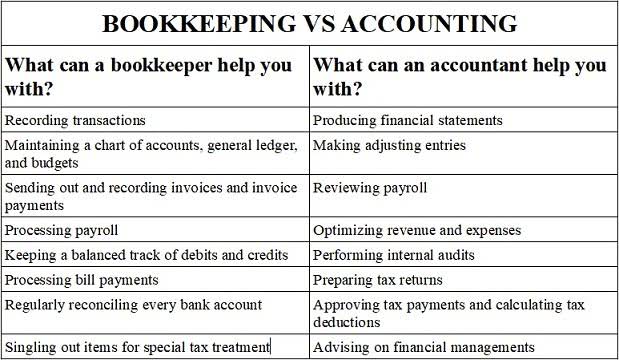
Deferred Revenue Vs Accrual Revenue
- If you were to recognize all unearned revenue upfront, you’d be counting your chickens before they hatch.
- Managing unearned revenue well shows you’re not just taking money; you’re committed to delivering value.
- Examples include inheritance money, a financial prize, unemployment benefits, interest on a savings account, and stock dividends.
- On the other hand, the prepaid expense is an asset amount in which the company pays some cash in advance for some services that will be delivered to the company at a later date by their suppliers.
The most basic example of unearned revenue is that of a magazine subscription. When we register for an annual subscription of our favorite magazine, the sales received by the company is unearned. As they deliver magazines each month, the company keeps on recognizing the corresponding income in the income statement. It is classified as a current liability until the goods or services have been delivered to the customer, after which it must be converted into revenue. Unearned revenue ties directly to ASC 606, which requires companies to recognize revenue only when performance obligations are satisfied, not when cash is received.
- If products or services delivered are partial to the total amount of the whole amount, only a partial amount is debited to the current liability account while crediting the revenue earned account.
- As the service or product is provided, the liability decreases and revenue is recognized accordingly.
- Therefore, unrecorded income is also a form of earned revenue but due to some reason, the entity is yet to record it in the financial statements.
- Unearned revenue and deferred revenue are crucial for accurately recognizing revenue.
Two Types of Unearned Sales Revenue Reporting
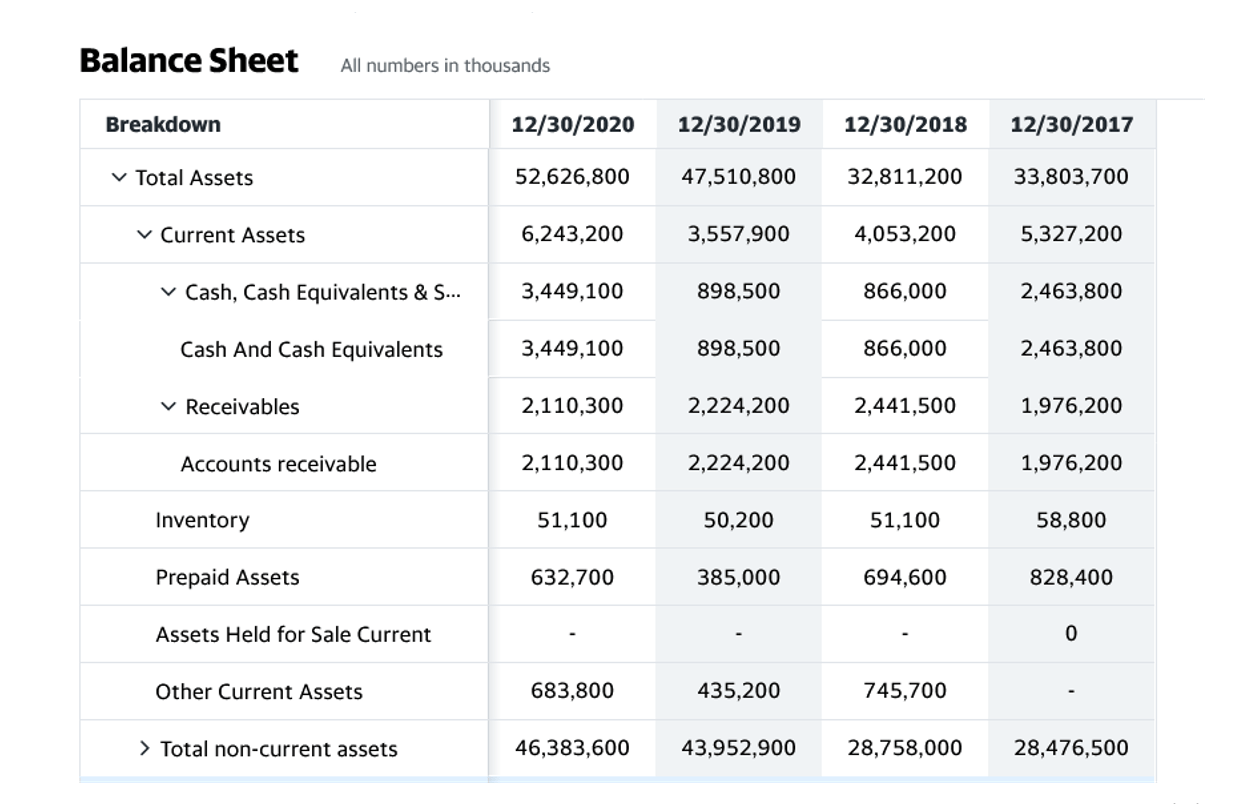
The main concept is that a payment is made in advance before a good or service is delivered or executed. Only after the good or service is supplied will the transaction be considered complete. At the same time, the company can list the payment as part of their revenue or income. FreshBooks has online accounting software for small businesses that makes it easy to generate balance sheets and view your unearned revenue. Unearned revenue is reported on a business’s balance sheet, an important financial statement usually generated with accounting software. So, the trainer can recognize 25 percent of unearned revenue in the books, or $500 worth of sessions.
Deferred Revenue Vs Unearned Revenue – Are they Different?

To determine when you should recognize revenue, https://www.bookstime.com/ the Financial Accounting Standards Board (FASB) and International Accounting Standards Board (IASB) presented and brought into force ASC 606. Baremetrics provides an easy-to-read dashboard that gives you all the key metrics for your business, including MRR, ARR, LTV, total customers, and more. Below is a break down of subject weightings in the FMVA® financial analyst program.

CFI is on a mission to enable anyone to be a great financial analyst and have a great career path. In order to help you advance your career, CFI has unearned revenues are compiled many resources to assist you along the path.

- Unearned revenue is the revenue a business has received for a product or service that the business has yet to provide to the customer.
- When the services are delivered to the customer gradually over time, revenue is equally recorded and realized in the income statement.
- The unearned revenue account is usually classified as a current liability on the balance sheet.
- Although the terms unearned revenue, accounts receivable (A/R), and revenue are often used interchangeably, they hold distinct meanings.
- This practice not only ensures compliance with accounting standards but also provides a clear picture of the company’s financial health to stakeholders.
Unearned revenue always plays a vital role in the reporting of a business. It contains the advance payments that are received from the customer for the inaccessible service or the product. When a company pays money in advance to another service provider, it will have to receive the services in the future. In fact, a lot of common items consumers purchase are based on this payment system such as subscription-based products, airplane tickets, prepaid insurance, retainers to attorneys, and so on.
One of the main advantages of contribution margin using deferred revenue is to apply the accrual concept in practice. Many companies need to receive advance payment to get things going first. By meaning, unearned revenue is the income that an entity has not earned yet. Whereas, deferred revenue is the income that an entity has earned but is “delayed” or deferred.
Leave a Reply