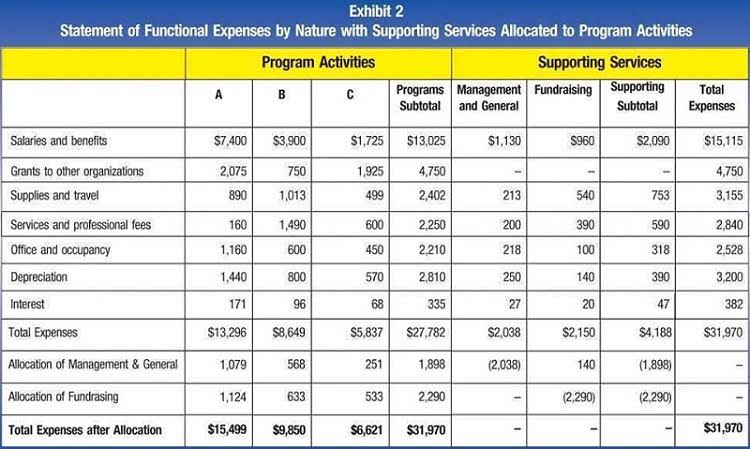
The ownership value of a sole proprietary firm is evaluated after deducting the overall liabilities from the company’s total assets. Shareholders’ equity represents a company’s net worth and measures its financial health. It can be a negative amount, which often indicates financial distress or bankruptcy. These scenarios illustrate how total equity changes and affects who owns the business.
Why is Total Capital Important?
Too much debt can strain the cash flow; too law firm chart of accounts little debt can slow growth. Equity gives insight into this balance since it’s shareholders’ investments minus any payments due to outsiders. Total equity is an essential part of assessing a company’s financial health.
What is Balance Sheet Formula?

Our insights are crafted to help investors spot opportunities in undervalued growth stocks, enhancing potential returns. If you own shares in a company, you own a piece of its equity value. Allocate earnings accurately based on the proportion of ownership, ensuring your financial disclosures are detailed and transparent.
Why Shareholder Equity (SE) Matters

The balance sheet must always unearned revenue balance, meaning assets are always equal to the sum of liabilities and equity. As one of the three core financial statements, the balance sheet is used to assess a company’s financial strength, liquidity, and capital structure. It also reflects a company’s dividend policy by showing its decision to pay profits earned as dividends to shareholders or reinvest the profits back into the company. On the balance sheet, shareholders’ equity is broken up into three items – common shares, preferred shares, and retained earnings.
- The company’s stockholders are usually interested in the stockholder’s equity, and they are concerned about the company’s earnings.
- Therefore, total equity can also be thought of as a company’s net assets, i.e., the value of the company’s assets after all debts and other obligations have been paid.
- Cash (an asset) rises by $10M and Share Capital (an equity account) rises by $10M, balancing out the balance sheet.
- While total capital provides insight into the financial structure, it doesn’t directly measure a company’s market value.
It shows how much the company is worth after liabilities are taken away from assets. By understanding equity, investors and analysts can figure out a business’s net worth, if it can make money, and how steady it is. By analyzing these components, investors and stakeholders can gain a deeper understanding of the sources of a company’s equity and its overall financial position. Good cost control and investments can bring in higher earnings, while bad management or inefficient processes can lead to losses. Profits show that a company is profitable and help grow the equity, but losses total equity formula can damage equity and weaken a company’s financial standing. So, businesses must stay on top of their earnings and take action to avoid losses and increase profits.
Leave a Reply